
What Is Ecotourism? Exploring Responsible Travel for a Sustainable Future
Discover the true meaning of ecotourism: responsible travel that conserves nature, benefits local communities, and fosters environmental awareness. Learn why it matters and how to practice it

Mục lục
Understanding the Essence of Ecotourism
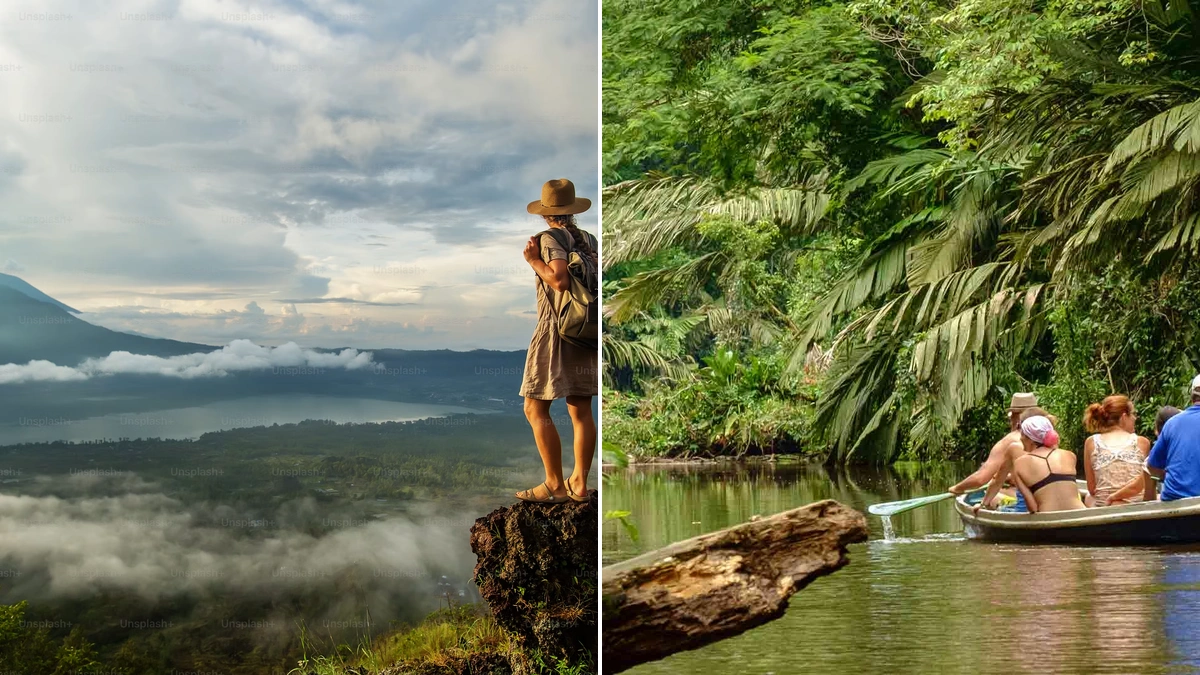
In a world increasingly aware of its environmental footprint, the concept of ecotourism has emerged as a vital approach to travel. But what exactly is ecotourism? At its core, it's about more than just visiting natural landscapes; it's a mindful way of exploring our planet that prioritizes conservation, supports local communities, and educates travelers. True ecotourism isn’t just about being in nature; it's about traveling responsibly to natural areas, protecting those environments, and fostering a deeper appreciation for the landscapes and cultures that make them unique.
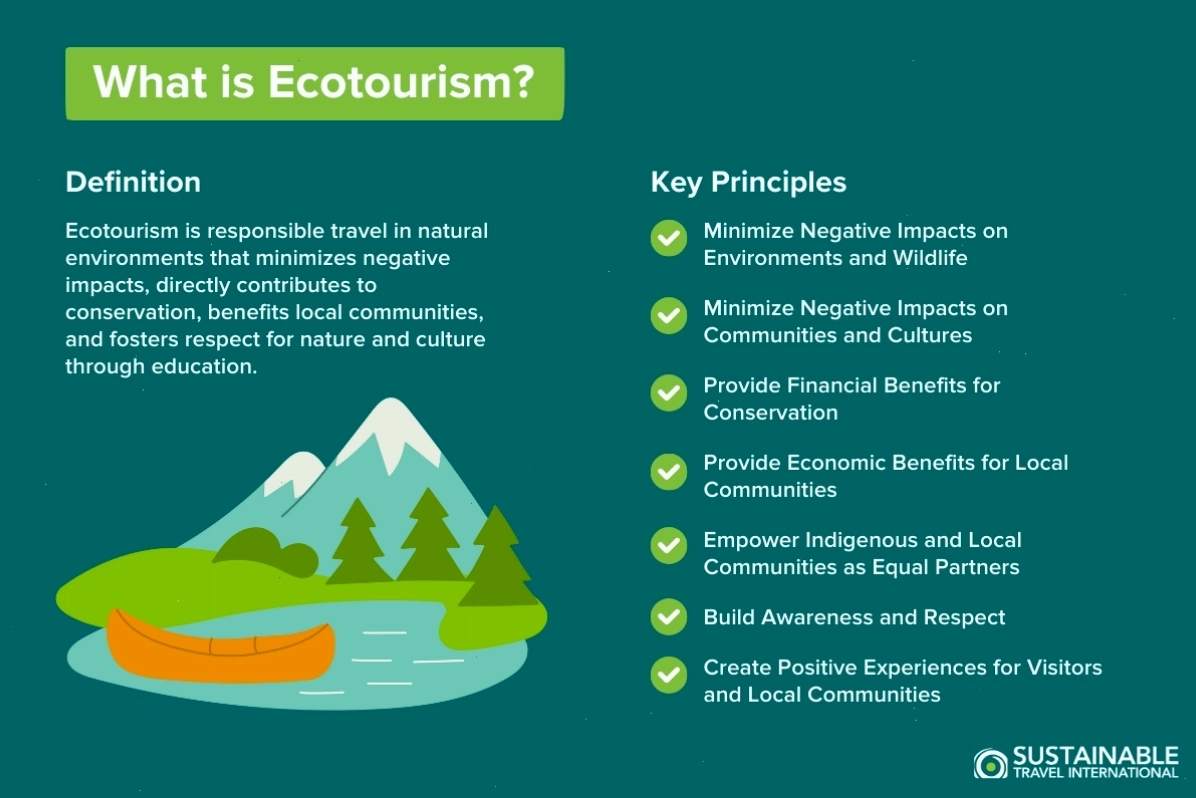
The term "ecotourism" was first described in the 1980s by Mexican architect and environmentalist Héctor Ceballos-Lascuráin. His vision was simple yet transformative: that outdoor activities like birdwatching and hiking could provide sustainable economic alternatives to destructive industries. Today, ecotourism is defined as “responsible travel to natural areas that conserves the environment, sustains the well-being of the local people, and involves interpretation and education” (TIES, 2015). Education here is meant to be inclusive of both staff and guests, ensuring a comprehensive understanding and appreciation of the destinations visited.
The Pillars of Ecotourism: Conservation, Communities, and Interpretation
Ecotourism is fundamentally about uniting three key pillars: conservation, communities, and sustainable travel. This implies that all stakeholders—implementers, participants, and marketers—must adhere to specific principles:
- Minimize Impacts: Strive to reduce physical, social, behavioral, and psychological impacts on the environment and local culture.
- Build Awareness and Respect: Foster environmental and cultural awareness and respect among visitors and hosts alike.
- Positive Experiences: Ensure that ecotourism provides positive experiences for both visitors and hosts, creating mutual benefit and understanding.
- Financial Benefits for Conservation: Generate direct financial benefits for conservation efforts, demonstrating the economic value of protecting natural resources.
- Economic Empowerment: Deliver financial benefits to both local people and private industry, creating sustainable economic models that discourage exploitation.
- Memorable Interpretive Experiences: Offer memorable interpretive experiences that enhance visitors' sensitivity to political, environmental, and social contexts of host countries.
- Low-Impact Facilities: Design, construct, and operate facilities with minimal environmental impact.
- Respect Indigenous Rights: Recognize and respect the rights and spiritual beliefs of Indigenous People, working in partnership with them for empowerment and mutual benefit.
Understanding what is eco tourism meaning involves recognizing these integrated principles that guide responsible travel practices.
Ecotourism vs. Sustainable Tourism vs. Nature Tourism
While often used interchangeably, ecotourism, sustainable tourism, and nature tourism have distinct nuances:
- Nature Tourism: Involves traveling to natural areas for enjoyment and appreciation. It may or may not involve conservation or community benefit.
- Sustainable Tourism: A broader concept that aims to minimize negative impacts and maximize positive ones across environmental, social, and economic dimensions for present and future generations. Ecotourism is a component of sustainable tourism.
- Ecotourism: Specifically focuses on responsible travel to natural areas that actively conserves the environment, supports local communities, and includes educational components. It is a more specialized and action-oriented form of sustainable tourism.
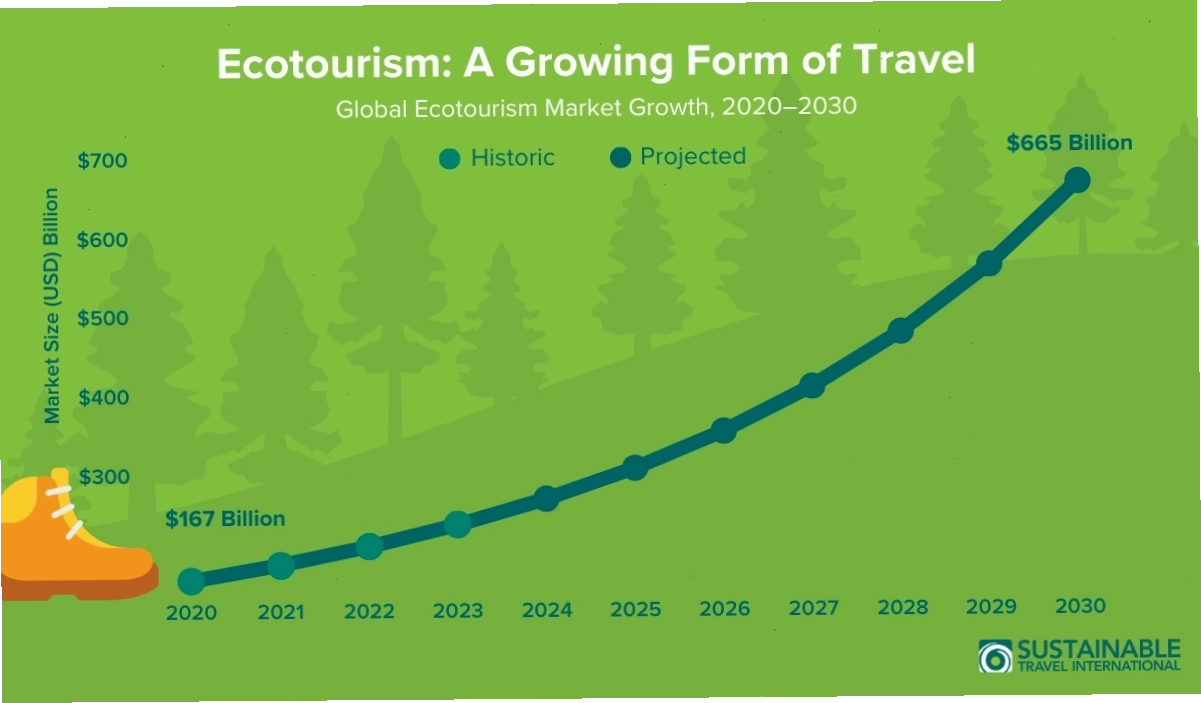
The market for ecotourism is growing significantly, with projections indicating a substantial increase in its economic value, highlighting its importance in the global tourism landscape.
Ecotourism in Practice: Real-World Examples
Ecotourism comes to life in diverse settings around the globe, showcasing its adaptability and impact. These experiences offer travelers a chance to connect deeply with nature and culture while contributing positively to the places they visit.
In Kenya, for example, Indigenous-led safaris offer a unique perspective on wildlife conservation. These tours empower local communities by providing employment and ensuring that tourism revenue directly supports the preservation of their ancestral lands and the wildlife within them. Travelers gain invaluable insights into traditional ecological knowledge and witness firsthand the importance of community involvement in conservation efforts.

Another compelling example can be found in Raja Ampat, Indonesia, a region renowned for its incredible marine biodiversity. Here, ecotourism focuses on protecting vibrant coral reefs and marine life. Activities like responsible diving and snorkeling allow visitors to marvel at the underwater world while contributing to marine conservation initiatives. The emphasis is on minimizing impact on fragile ecosystems and ensuring that tourism benefits are shared with local communities who are stewards of these waters.
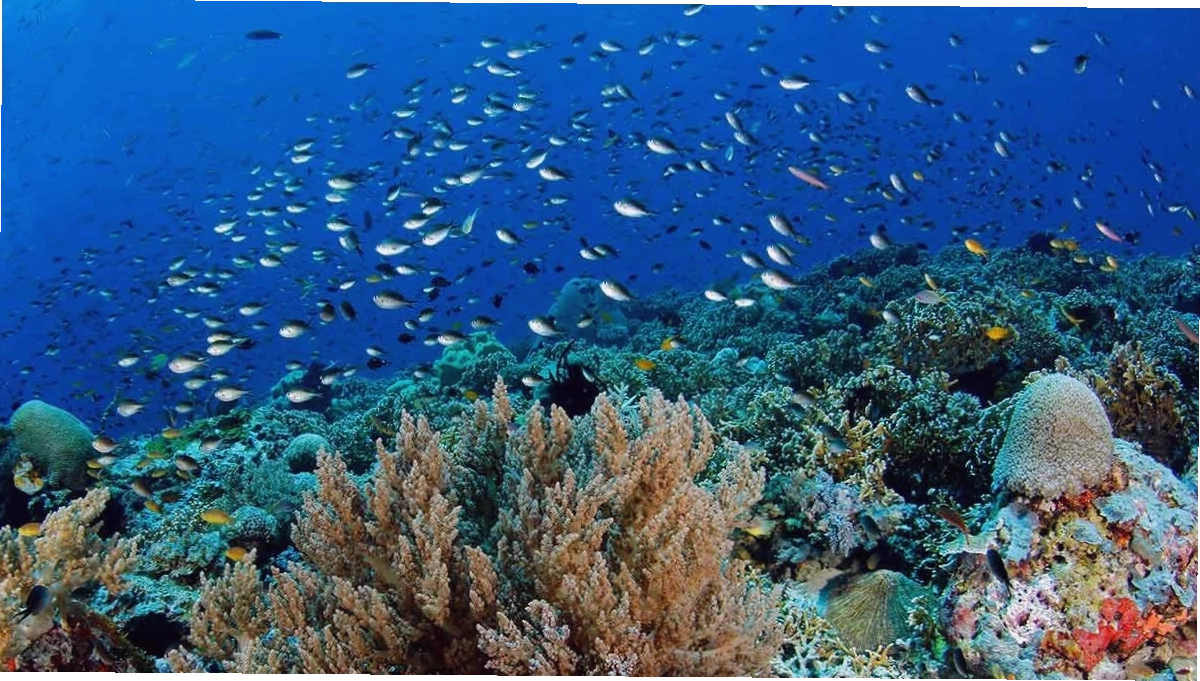
These examples illustrate what is eco tourism in India and other regions, where local initiatives blend conservation goals with community empowerment, creating memorable and meaningful travel experiences.
The Future of Travel: Embracing Eco-Friendly Practices
As awareness of environmental issues grows, ecotourism offers a path forward for a more responsible and sustainable travel industry. By choosing ecotourism, travelers play an active role in protecting natural wonders and supporting the livelihoods of local populations. It’s about making conscious decisions that contribute to a healthier planet and richer cultural exchanges.
Whether you are planning your next adventure or simply curious about mindful travel, understanding what is eco tourism management and its principles is crucial. It encourages us to tread lightly, learn deeply, and leave a positive legacy wherever we go. Embracing ecotourism means contributing to a future where travel enriches both the traveler and the destination.


Bình luận